Introduction
The globe of cannabis is a large and complex one, full of a variety of compounds that communicate with the body in remarkable methods. Amongst these compounds, THCA (tetrahydrocannabinolic acid) and CBD (cannabidiol) have garnered significant attention for their special benefits. As even more individuals want to harness the possible restorative results of marijuana, comprehending the distinction in between THCA and CBD becomes vital.
This post aims to debunk these 2 cannabinoids, exploring their qualities, benefits, side effects, utilizes, and a lot more. By the end of this item, you’ll have a much deeper insight right into “THCA vs CBD: Recognizing Their One-of-a-kind Benefits,” helping you make informed decisions about which compound may be best for you.
What is THCA?
Defining THCA
THCA stands for tetrahydrocannabinolic acid. It is the non-psychoactive forerunner to THC (tetrahydrocannabinol), the compound understood for creating the “high” connected with marijuana. Located mostly in raw marijuana plants, THCA goes through a process called decarboxylation when exposed to warmth or light, converting it right into THC.
How is THCA Different from THC?
While both are originated from the very same plant source, their effects on the body are significantly various. Unlike THC, THCA does not bind well to cannabinoid receptors in the brain; for this reason it does not create envigorating effects. This makes it appealing for individuals seeking healing advantages without intoxication.
Sources of THCA
The primary resource of THCA is raw marijuana blossoms. Consuming them directly– whether through juicing or eating– can offer all the advantages with no psychedelic effects.
THCA Blossom: What You Required to Know
Characteristics of THCA Flower
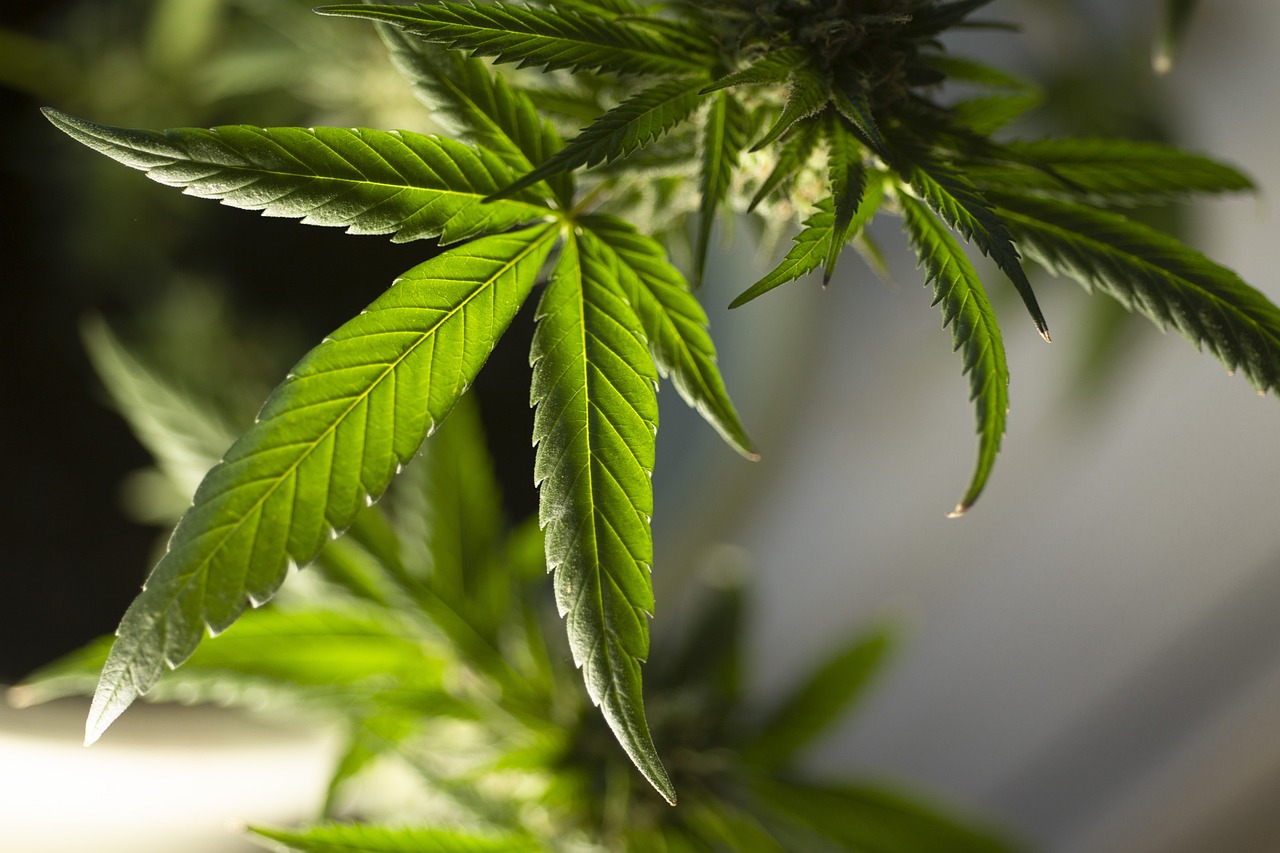
THCA blossom describes the unrefined buds from cannabis plants that contain high levels of THCA. These blossoms appear as dense environment-friendly buds and might have varying amounts of various other cannabinoids and terpenes that contribute to their fragrance and prospective therapeutic benefits.
Consumption Methods
There are a number of ways to consume THCA flower:
- Raw Consumption: Eating or juicing raw cannabis.
- Infusion: Adding raw cannabis to oils or butters.
- Tinctures: Creating casts with raw marijuana for sublingual consumption.
THCA Benefits: Opening Prospective Restorative Effects
Anti-inflammatory Properties
One of the most notable benefits of THCA is its possible anti-inflammatory homes. Research study recommends that it might help in reducing swelling in conditions like arthritis and other inflammatory diseases.
Neuroprotective Effects
Studies suggest that THCA might likewise have neuroprotective qualities, implying it can aid secure nerve cells from damages brought on by neurodegenerative illness such as Alzheimer’s and Parkinson’s.
Appetite Stimulation
While THC is traditionally understood for increasing cravings– usually referred to as “the munchies”– THCA has actually shown pledge in stimulating hunger without psychedelic impacts. This can be especially valuable for those undergoing treatments such as chemotherapy.
Potential Anti-nausea Effects
Preliminary research indicates that THCA might assist minimize nausea or vomiting. This can give relief for individuals encountering problems that generate nausea or those undergoing particular clinical treatments.
THCA Negative effects: What Must You Know?
Common Adverse effects of THCA
While typically considered secure when consumed sensibly, some users report light side effects from eating THCA:
- Dizziness
- Nausea
- Dry mouth
It’s essential to note that these side effects are typically much less severe than those connected with THC consumption.
Long-term Usage Considerations
As with any kind of supplement or medication, long-lasting use needs to be approached carefully. Monitoring your body’s responses in time can help recognize any type of negative impacts very early on.
Understanding Appropriate THCA Dosage
Recommended Dosage Guidelines
When taking into consideration just how much THCA to take, it’s vital to start reduced and go slow– particularly if you’re new to cannabinoids:
- Beginners could begin with a dose around 5 mg per day.
- Gradually rise based upon individual resistance and wanted effects.
Consulting Health care Professionals
Always seek advice from healthcare professionals before starting any kind of new supplement routine– especially if you get on medications or have underlying health conditions.
What is CBD? A Comprehensive Overview
Defining Cannabidiol (CBD)
CBD means cannabidiol– a non-intoxicating substance found in both hemp and cannabis plants. Unlike THC, CBD does not create psychoactive effects but has gained appeal as a result of its many health and wellness benefits.
The Endocannabinoid System Explained
CBD connects with the body’s endocannabinoid system (ECS), which plays an essential duty in controling different bodily functions consisting of mood, rest, hunger, and immune response. By influencing this system, CBD might provide restorative advantages throughout several locations without Product comparisons triggering a high.
CBD Benefits: Discovering Its Therapeutic Potential
Anxiety Relief and Anxiety Reduction
Many individuals discover remedy for anxiety and stress via CBD usage. Researches recommend that it can influence serotonin receptors in the brain– potentially resulting in improved mood regulation.
Pain Monitoring Solutions
CBD has revealed pledge as an analgesic representative– an elegant term meaning painkiller. Lots of individuals turn to CBD products like oils or pills as all-natural choices for handling chronic pain problems such as fibromyalgia or arthritis.
Improved Rest Quality
For those having problem with sleeplessness or interrupted sleep patterns, CBD might use an option by advertising leisure and decreasing anxiety– two critical components essential for peaceful sleep.
Side Effects of CBD: What You Ought To Realize Of?
Common Negative effects Connected with CBD Use
Though generally considered as risk-free, some users might experience adverse effects like:
- Fatigue
- Diarrhea
- Changes in appetite
Most negative effects often tend to be moderate contrasted to typical pharmaceuticals made use of for similar issues.
Optimal Dose Suggestions for CBD Users
Recommended Dosing Guidelines
Finding your optimum dosage calls for perseverance; take into consideration beginning at around 10 mg daily before slowly increasing till you accomplish your wanted results:
|Customer Type|Starting Dose|Readjusted Dosage|| —————|—————-|—————————|| Beginners|5– 10 mg|Rise by 5 mg once a week|| Intermediate|10– 20 mg|Increase based on effect|| Advanced Users|20+ mg|Tailor according individual requirements|
Comparative Evaluation: “THCA vs CBD”
In this area we will check out essential distinctions in between these two cannabinoids:
|Attribute|THCA|CBD|| —————-|————————————–|————————————–|| Psychoactivity|Non-Psychoactive|Non-Psychoactive|| Key Advantages|Anti-inflammatory & & Neuroprotective|Anxiousness Relief & & Discomfort Management|| Resource|Raw Marijuana Flower|Cannabis/Hemp Oil|
Legal Status
Understanding lawful ramifications bordering both substances can typically be puzzling due differing guidelines around hemp-derived products versus cannabis-derived ones:
THC & Its Derivatives
- Regulated heavily throughout states; legality differs widely.
CBD Products
- Generally legal at government degree if derived from hemp including less than 0.3% THC under U.S Farm Expense act guidelines; state legislations might vary!
The Future Overview For Marijuana Research
As culture continues opening towards medicinal use bordering cannabinoids like “THCa” & &”CBD”, research efforts are increase! We’re most likely going see even more medical trials concentrating especially on how they connect within our bodies!
FAQs Concerning “THCA vs CBD”
- No! Unlike THC which triggers psychoactive actions within brain receptors; “Thca” remains non-intoxicating!
2. Is there any kind of research study backing up insurance claims concerning Thca’s anti-inflammatory properties?
- Yes! Though still emerging; preliminary studies highlight encouraging results concerning its possible efficacy!
3. Is utilizing both Thca & Cbd with each other beneficial?
- Yes! Integrating cannabinoids can produce an entourage result improving overall healing outcomes!
4. Are there certain pressures understood for high degrees of Thca?
- Absolutely! Certain strains bred in the direction of optimizing cannabinoid accounts commonly produce greater concentrations!
5. Will taking Cbd negate benefits obtained through taking in Thca?
- Not necessarily! They work differently communicating synergistically rather than combating each other when taken together!
6. What’s better: vaping Thca flower or consuming edibles containing cbd?
- It inevitably relies on specific preferences/goals because each approach gives special experiences altogether!
Conclusion
As we dive deeper into the realm of cannabinoids like “THCa” & & “CBD”, comprehending their distinct benefits ends up being extremely important! Each deals distinct advantages while additionally providing potential side-effects calling for conscious factor to consider before embarking upon use journeys! Whether you look for relief from swelling through raw blossoms’ natural properties– or aim decrease anxiety via curated oil casts– the choice ultimately lies within personal goals/preferences!
Exploring choices available today permits us cultivate higher understanding surrounding holistic healing methods connecting ancient wisdom modern science alike– and who wouldn’t desire healthier life selections along way?
So next time somebody asks “What’s up with ‘Thca’ versus ‘Cbd’?”, remember this comprehensive guide highlighting distinctions similarities alike ensures informed decision-making every action method forward!